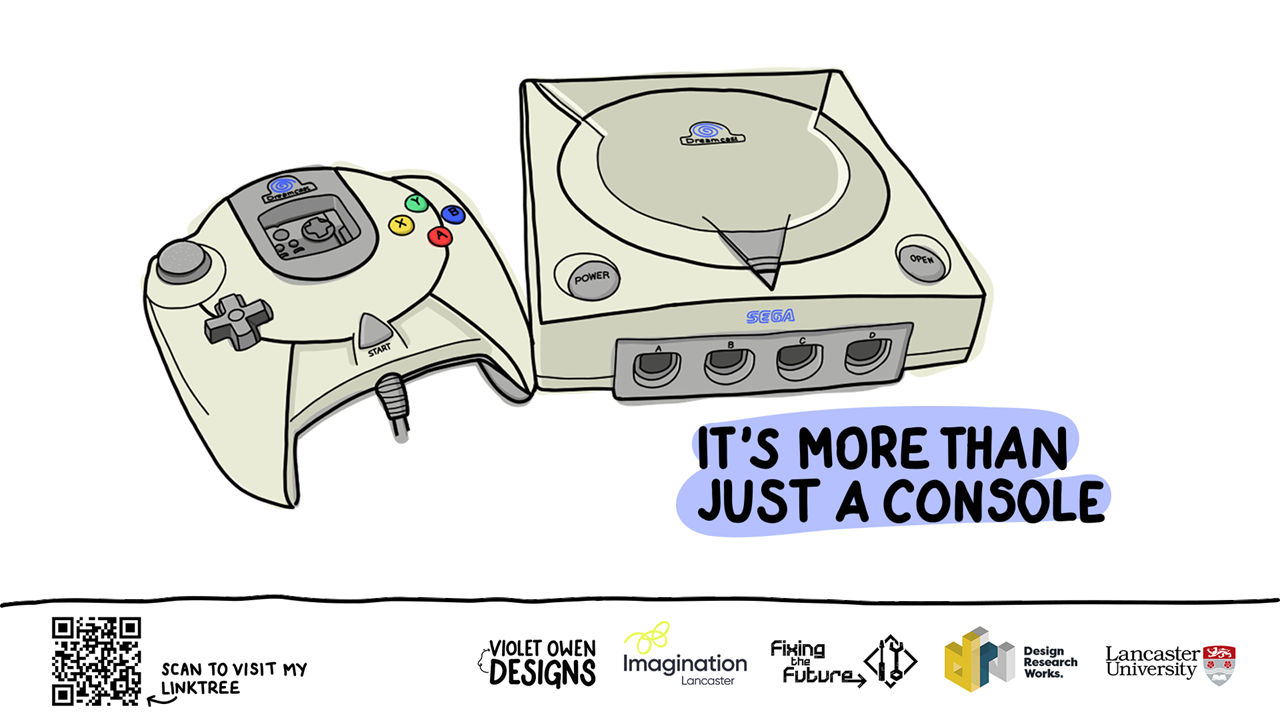
Today I joined the British DiGRA conference delivering a virtual presentation talking about my upcoming book chapter Game Changers: How Fan Activism Across Gaming Cultures Could Help Us Design More Sustainable Technologies. The chapter explores how understanding gamers' relationships with their technology could help to inspire the design of more sustainable electronic products in the future.
The chapter will be published in September 2026, in Bridging Design and Fandom edited by Naomi Jacobs. See the book preview here.
Presentation Abstract
Videogames have become one of the most pervasive cultural media forms, with over a third of the world’s population engaging in play (Moller et al., 2023). As games have grown culturally and socially significant, complex fandoms have emerged around platforms, technologies, and play cultures (Kowert & Quandt, 2021). These communities extend far beyond gameplay itself, encompassing practices such as collecting hardware, creating fan content, modding games, repairing devices, and sharing knowledge through online networks (Santo, 2017; Taylor, 2006). Through these activities, videogames become socially embedded cultural artefacts that support identity formation, community belonging, and collective memory (Owen et al., 2026).
Videogame fandom frequently develops at the periphery of the formal games industry, where players participate in activities typically associated with development, preservation, and design. Within these communities, fans archive games, maintain aging hardware, create new content through modding, and circulate knowledge through informal networks. Such practices sustain gaming cultures through collaborative labour that exists outside conventional industry structures. While videogame hardware and software are shaped by rapid product cycles and planned obsolescence, resulting in increasingly short product lifespans and growing electronic waste (Magnier & Mugge, 2022; Stead et al., 2022), many gamers resist pressure to prematurely dispose of their devices. Rather than discarding “obsolete” technologies, fans frequently preserve, repair, emulate, and modify them, extending their lifespan well beyond their intended lifecycle.
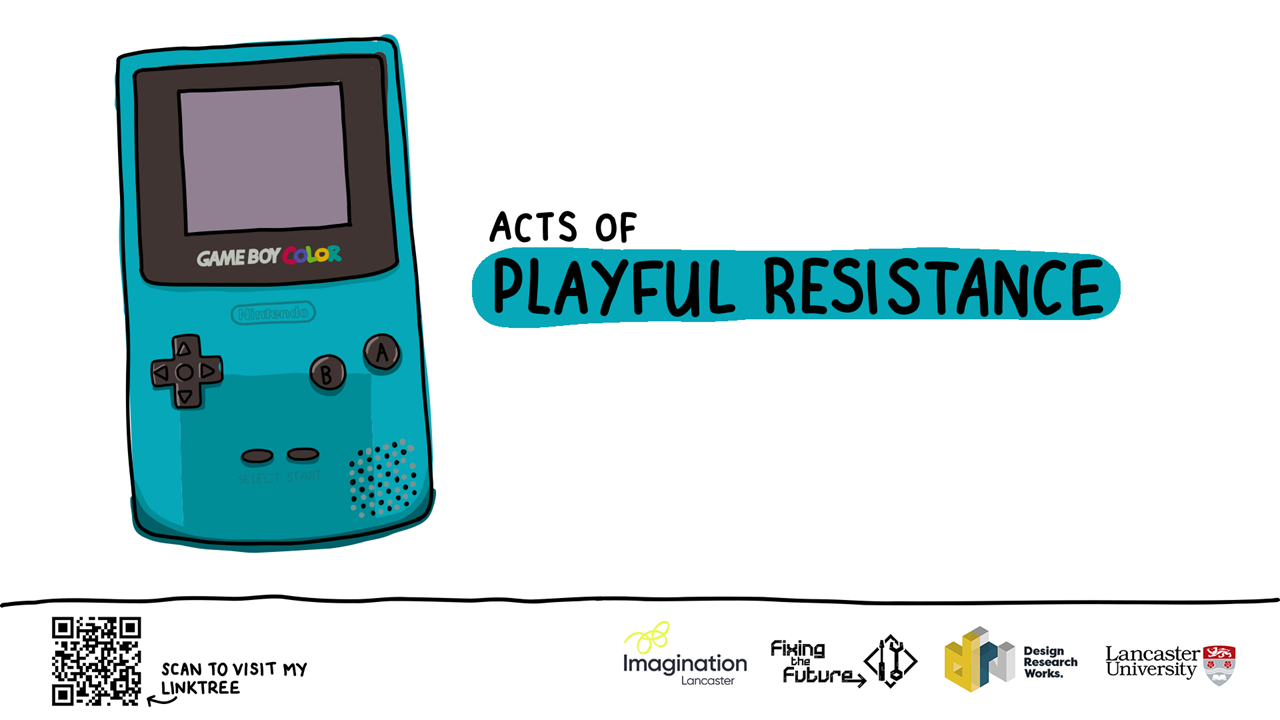
These practices as forms of playful resistance. Unlike institutional or explicitly political activism, playful resistance emerges from everyday fan practices motivated by nostalgia, identity, and communal participation. Through activities such as modding, archiving, and retro-hardware repair, gamer communities challenge the transient nature of digital technologies and assert alternative values centred on care, stewardship, and collective knowledge sharing.
Central to this analysis is the concept of emotionally durable design, which explores how emotional attachment can extend the lifespan of consumer technologies (Chapman, 2012; Haines-Gadd et al., 2018). Within gamer communities, videogame technologies frequently become biographical objects (Owen et al., 2026), imbued with personal histories and shared experiences. These shared moments during multiplayer play, intergenerational gaming, and participation in fan cultures transform consoles and games into repositories of memory and identity (Owen et al., 2024). These interconnected relationships motivate players to maintain and preserve gaming technologies long after they have lost commercial relevance (Owen et al., 2025).
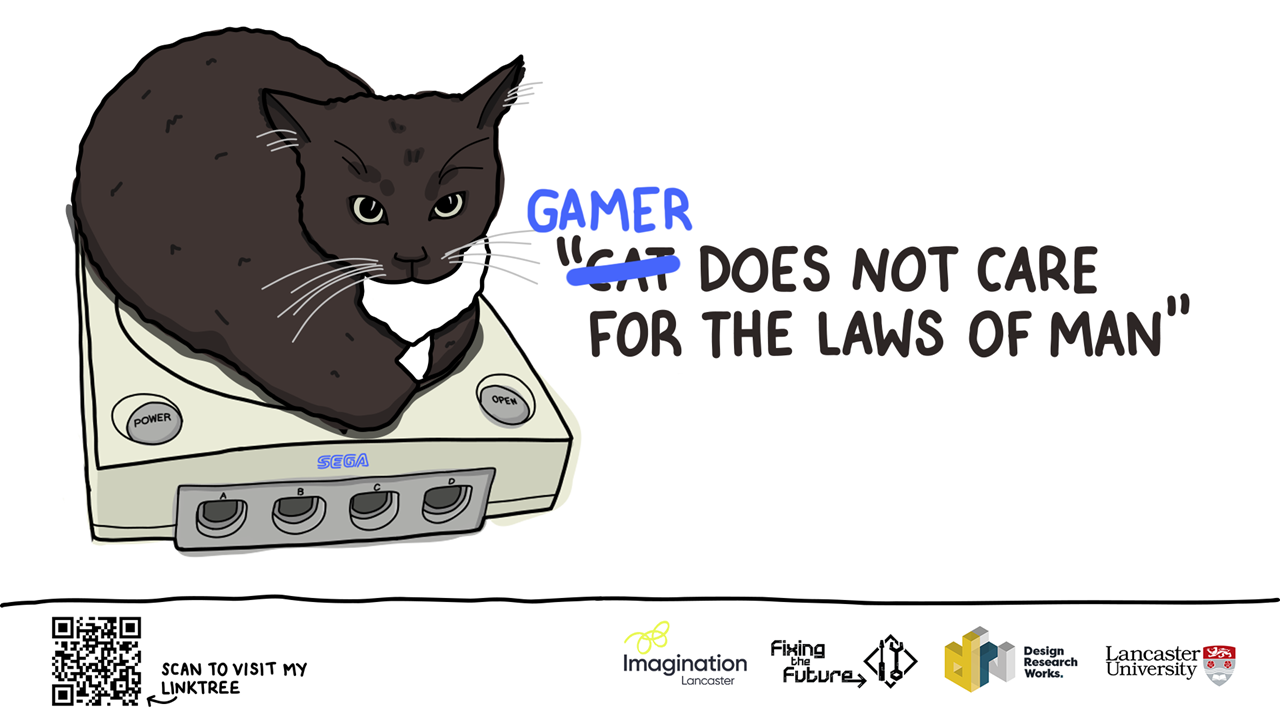
Several examples of peripheral gaming practices illustrate this dynamic. Community-driven preservation efforts, including informal archiving networks and grassroots collecting, demonstrate how fans sustain gaming heritage outside formal institutions (Dym et al., 2023; Newman & Simons, 2009). Modding communities extend the lifespan of games by introducing new content, mechanics, and forms of representation while also contesting developer authority (Postigo, 2010; Reisinho et al., 2024). Viral fan phenomena, such as the circulation and transformation of internet memes like “Maxwell the Cat” (Voidhawk4) further illustrate how participatory cultures connect players, creators, and media platforms across dispersed communities.
Although these practices are rarely framed explicitly as environmental activism, they nevertheless function as sustainability-oriented interventions by extending product lifespans, enabling repair and reuse, and resisting cycles of technological obsolescence. By situating videogame fandom within the framework of identities at the periphery, this research contributes to broader discussions within game studies about community participation, cultural identity, and the social life of games. It suggests that the collaborative practices emerging from gamer communities provide important insights for rethinking how technologies might be designed, maintained, and sustained through more participatory relationships between users, communities, and producers.